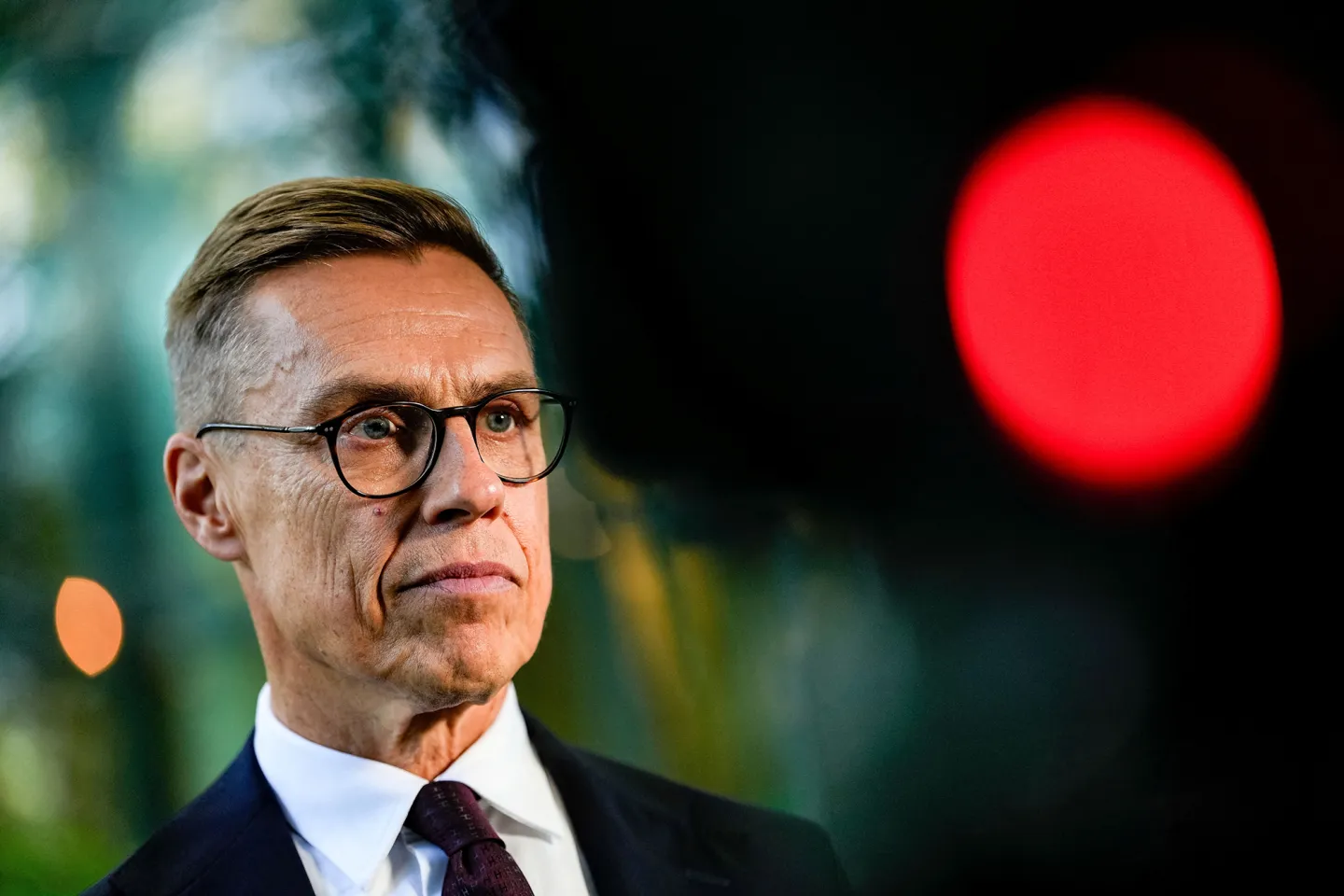
An article in Foreign Affairs by Alexander Stubb, the President of Finland, stresses the importance of a country’s values to its role in international affairs. He says:
Foreign policy is often based on three pillars: values, interests, and power. These three elements are key when the balance and dynamics of world order are changing. I come from a relatively small country with a population of close to six million people. Although we have one of the largest defense forces in Europe, our diplomacy is premised on values and interests. Power, both the hard and the soft kind, is mostly a luxury of the bigger players. They can project military and economic power, forcing smaller players to align with their goals. But small countries can find power in cooperating with others. Alliances, groupings, and smart diplomacy are what give a smaller player influence well beyond the size of its military and economy. Often, those alliances are based on shared values, such as a commitment to human rights and the rule of law.
Finland has embraced what I have called “values-based realism”: committing to a set of universal values based on freedom, fundamental rights, and international rules while still respecting the realities of the world’s diversity of cultures and histories. The global West must stay true to its values but understand that the world’s problems will not be solved only through collaboration with like-minded countries.
Values-based realism might sound like a contradiction of terms, but it is not. Two influential theories of the post–Cold War era seemed to pit universal values against a more realist assessment of political fault lines. Fukuyama’s end of history thesis saw the triumph of capitalism over communism as heralding a world that would become ever more liberal and market-oriented. The political scientist Samuel Huntington’s vision of a “clash of civilizations” predicted that the fault lines of geopolitics would move from ideological differences to cultural ones. In truth, states can draw from both understandings in negotiating today’s shifting order. In crafting foreign policy, governments of the global West can maintain their faith in democracy and markets without insisting they are universally applicable; in other places, different models may prevail. And even within the global West, the pursuit of security and the defense of sovereignty will occasionally make it impossible to strictly adhere to liberal ideals.
Countries should strive for a cooperative world order of values-based realism, respecting both the rule of law and cultural and political differences. For Finland, that means reaching out to the countries of Africa, Asia, and Latin America to better understand their positions on Russia’s war in Ukraine and other ongoing conflicts. It also means holding pragmatic discussions on an equal footing on important global issues, such as those to do with technology sharing, raw materials, and climate change.